Ústní voda: Co opravdu dělá a kdy ji skutečně potřebujete
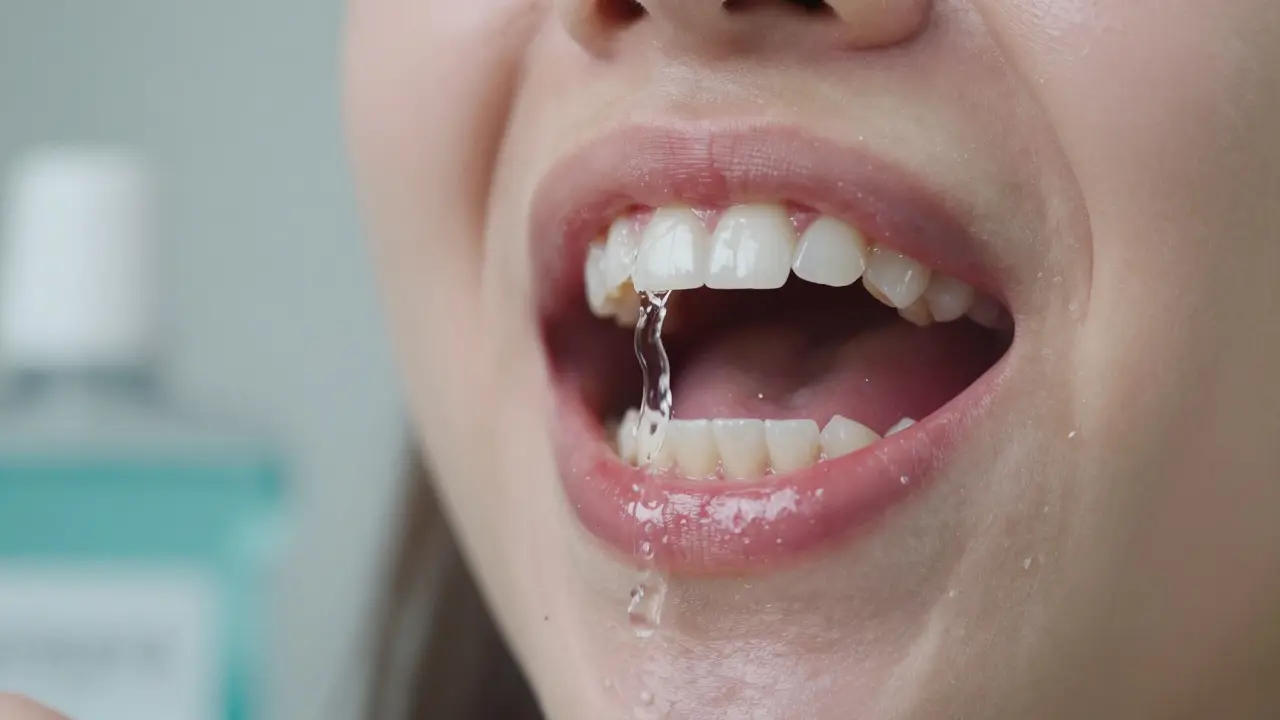
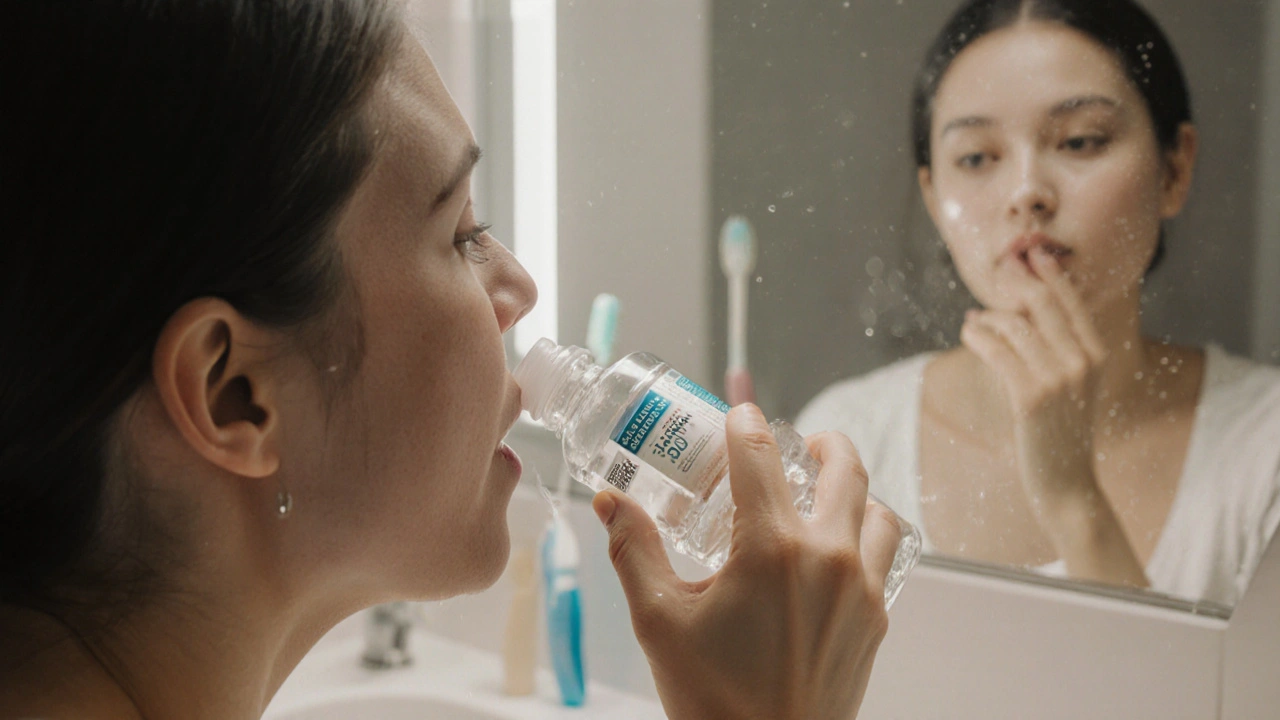
When it comes to oral care, ústní voda, kapalina používaná k opláchnutí úst pro podporu ústní hygieny. Also known as růžová voda, it is often marketed as a miracle solution for bad breath, plaque, and gum health. But does it actually do what it promises—or is it just a fancy add-on to your toothbrush? Many people think rinsing with mouthwash replaces brushing. It doesn’t. No mouthwash can remove plaque like mechanical cleaning with a toothbrush and floss. What it can do, however, is support your routine—if you choose the right one.
Not all ústní vody, kapaliny určené k opláchnutí úst s různými účinnými látkami jako je fluorid, chlorhexidin nebo esenciální oleje are the same. Some contain alcohol, which can dry out your mouth and make bad breath worse over time. Others are alcohol-free and packed with fluoride to help strengthen enamel. Then there are the medicated ones with chlorhexidin—used short-term after dental procedures to fight gum inflammation. If you’re dealing with zubní plak, tenká vrstva bakterií, která se tvoří na zubech a je hlavní příčinou kazu a zánětů dásní, a mouthwash with antibacterial agents can help slow its buildup. But remember: it’s a helper, not a replacement.
And what about zubní kámen, tvrdý nános zubního plaku, který se tvoří, když se minerály z slin vážou k plaku a ztuhlí? No mouthwash can remove it once it’s hardened. Only a professional cleaning can do that. So if you’re using mouthwash hoping to dissolve tartar, you’re wasting your money. What you *can* do is use it to reduce the bacteria that turn plaque into tartar. Look for products with triclosan or essential oils—they’ve been shown in studies to reduce plaque buildup over time. If you suffer from protizánětlivé ústní vody, speciální typy ústních vod s látkami, které snižují zánět dásní, jako je chlorhexidin nebo kyselina kyselá, ask your dentist. They’re usually prescription-only and meant for short-term use.
Don’t fall for the hype. Mouthwash isn’t magic. It’s a tool. And like any tool, it only works if you use it correctly. Brush twice a day, floss daily, and use mouthwash only if it adds something your routine is missing—like extra fluoride or help with sensitive gums. If your breath smells fine, your gums don’t bleed, and you don’t have cavities, you probably don’t need it at all. The best mouthwash is the one you don’t need to use.
Below you’ll find real advice from people who’ve been there—whether it’s about choosing the right formula, dealing with dry mouth after using mouthwash, or understanding why your dentist recommended a specific type. No fluff. Just what works.