
Keramické fazety - možnosti instalace a praktické tipy
Kompletní průvodce instalací keramických fazet - tradiční cement, samolepící systém i digitální CAD/CAM. Porovnání metod, tipy a FAQ pro výběr nejlepší volby.
Číst víceWhen working with dentální lepidlo, speciální lepidlo používané v zubní protetice k trvalému spojení zubních součástí. Also known as zubní cement, it binds prosthetic elements like crowns, bridges and veneers to natural teeth. Another key player is the zámek, a prosthetic crown that often relies on dentální lepidlo for secure fixation. Understanding these connections helps you choose the right product and avoid common pitfalls.
Dentální lepidlo belongs to a broader group of zubní cement, which includes glass ionomer, resin‑modified and polycarboxylate types. Each variant has distinct properties: some release fluoride, others offer high shear strength. The choice depends on the clinical situation – for example, a high‑strength resin cement is preferred for all‑ceramic crowns, while a fluoride‑releasing cement suits patients prone to caries.
In practice, dentální lepidlo requires proper tooth preparation, isolation and light curing (if applicable). The material creates a micromechanical bond with the tooth substrate, often enhanced by a bonding agent. This bond enables long‑term stability of the restoration, reducing the risk of decementation. If the cement fails, the prosthetic element can become loose, leading to discomfort or secondary decay. Therefore, selecting the right lepidlo and following the protocol is crucial.
One semantic link is that dentální lepidlo enables the fixation of a zámek, while the quality of the underlying tooth preparation influences the bond strength. Another connection is that the choice of cement affects the longevity of a bridge, especially under heavy occlusal loads. These relationships highlight why dentists consider both material properties and patient factors before deciding.
Beyond crowns and bridges, dentální lepidlo plays a role in implantology. Though implants use their own screws, a thin layer of cement can seal the abutment‑to‑crown interface, preventing microleakage. However, excess cement is a known cause of peri‑implantitis, so careful removal is mandatory. This illustrates how a related concept – here, peri‑implant inflammation – directly impacts the safe use of dentální lepidlo.
For patients, the most visible benefit is a stable, esthetically pleasing result. No one wants a crown that pops off after a coffee or a veneer that shifts during a smile. By understanding the underlying chemistry – acid‑base reaction, polymerization or ion exchange – you can appreciate why some lepidla are marketed as “quick‑set” or “light‑cured”. Each claim corresponds to a specific setting mechanism that influences working time and final hardness.
If you’re a dental student or a curious reader, ask yourself: which dentální lepidlo would I recommend for a patient with strong bite forces? Which one for a young adult prone to cavities? The answer lies in balancing mechanical strength, fluoride release and ease of removal. Consulting the product data sheet and clinical guidelines can prevent costly remakes later.
In summary, dentální lepidlo is the glue that holds modern prosthetic dentistry together. It interacts with zámky, bridges, veneers and even implant abutments. Selecting the right type, preparing the tooth correctly and cleaning excess cement are the three pillars of success. The articles below dive deeper into each of these aspects, offering step‑by‑step tips, product reviews and case studies.
Pokračujte níže a objevte detailní návody, srovnání materiálů a praktické rady, které vám pomohou využít dentální lepidlo naplno a vyhnout se častým chybám.
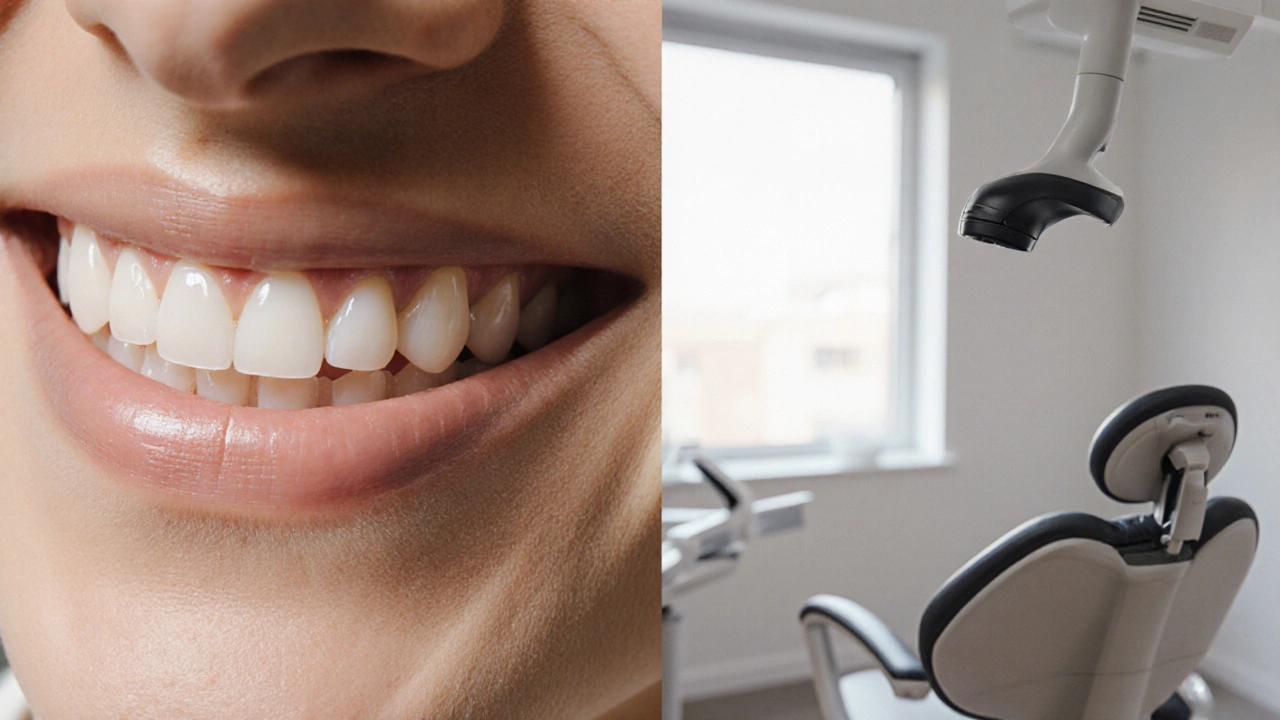
Kompletní průvodce instalací keramických fazet - tradiční cement, samolepící systém i digitální CAD/CAM. Porovnání metod, tipy a FAQ pro výběr nejlepší volby.
Číst více© 2026. Všechna práva vyhrazena.